The Fund Structure Is Optional | Brian Huang on The Index Podcast
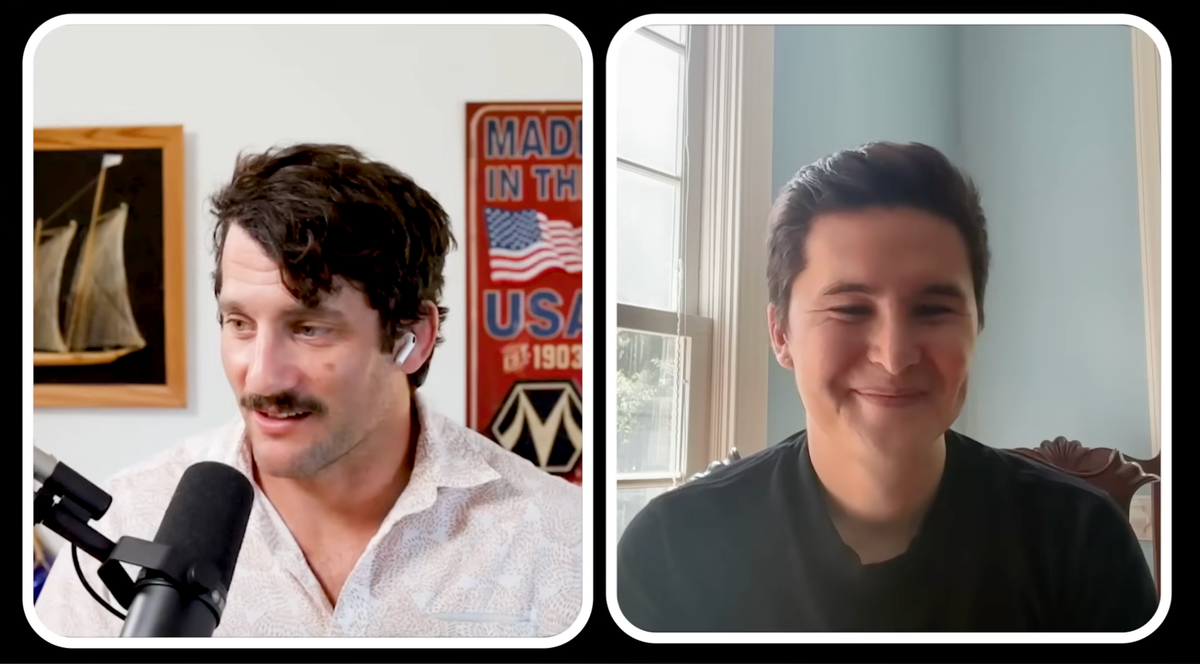
Copy trading has always carried a structural cost. Following another investor usually means sending money to that investor, or into a pooled fund they manage. The follower gives up control of the assets to get access to the strategy. In his second conversation on The Index, following an earlier episode on why investing still feels broken, Brian Huang explains how onchain portfolios remove that trade.
An investor builds what functions as a self-defined ETF: a set of tokenized stocks, held at weights they choose or weighted by market cap. That portfolio can be shared, and anyone can copy it into their own account in a single step. What arrives is a template rather than a fund. The assets sit in the copier's own account and are never pooled with anyone else's. Rebalancing follows fixed rules rather than a model making discretionary calls.
The next question is who writes the templates. Brian expects large institutional managers and well-known traders to begin issuing copyable portfolios onchain, with gating and controls that require a manager to hold the positions they publish. That matters most outside the US, where by Brian's count roughly 80% of the world, about 6 billion people, cannot easily buy US equities. Sector baskets in semiconductors, AI, and defense, and trackers built on congressional trade disclosures, are routine for a US brokerage customer and largely unavailable everywhere else.
🎧 Watch the full conversation below:
@BrianInCrypto from @glider__ is back with @afkehaya on The Index. Tokenized stocks, earning yield on your Nvidia, non-custodial copy trading, and whether AI can manage your money better than a financial advisor. pic.twitter.com/O0eLdAYfGX
— The Index Podcast (@theindexshow) July 22, 2026